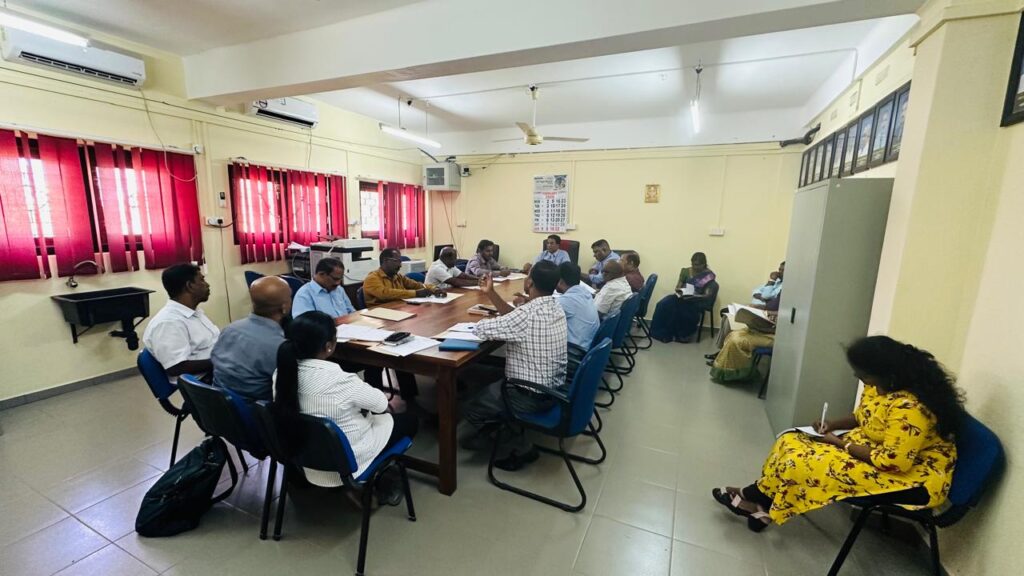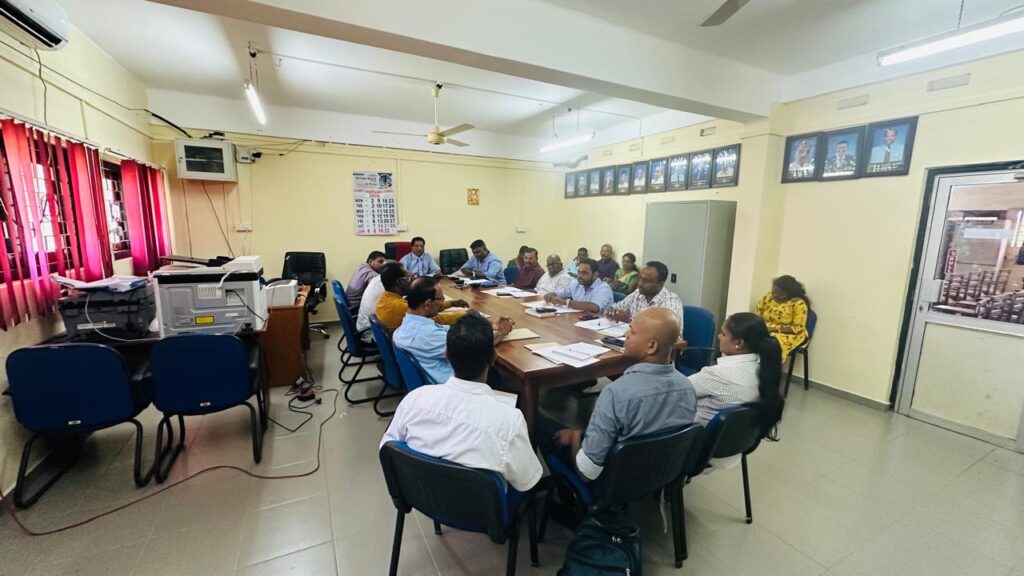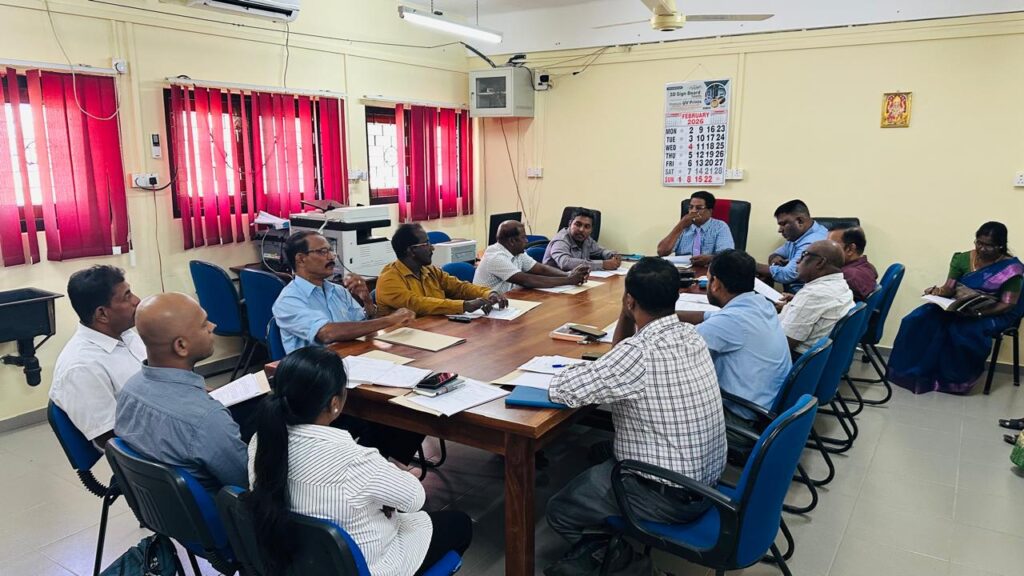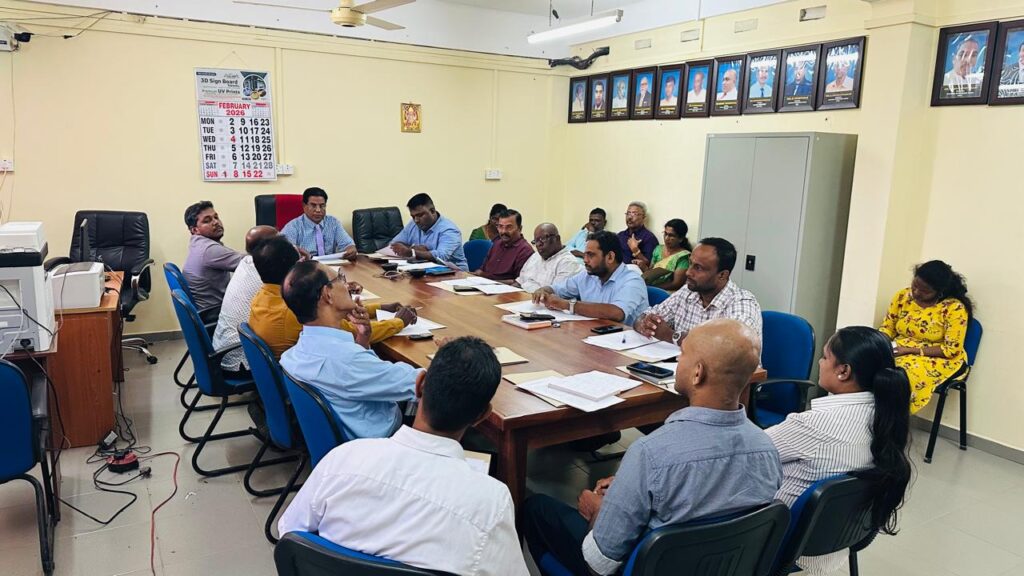



Palmyrah Development Board has proposed the establishment of a Palmyrah Sector Advisory Committee (PSAC) to support the implementation of a three-year strategic plan for the development of palmyrah-based edible and non-edible industries from 2026 to 2028. The move is aimed at increasing export earnings, improving livelihoods, and strengthening the long-term sustainability of the sector.
The palmyrah sector remains an important livelihood source in the Northern and Eastern Provinces, with nearly 11 million palmyrah trees available nationwide. However, the concept paper notes that less than 10% of this resource is being productively utilized. The sector continues to face major constraints, including underuse of resources, indiscriminate tree felling, labour migration, weak market connections, low product diversification, quality issues, and institutional and policy barriers.
According to the proposal, the advisory committee will function as a multi-stakeholder body to guide, review, and strengthen the implementation of the national strategic development plan. It is expected to provide technical advice, improve stakeholder coordination, support policy reform, and promote evidence-based decision-making across the sector.
The three-year strategy is built around five main priorities: strengthening upstream production through better planting materials and good agricultural practices; improving post-harvest and processing efficiency; supporting value addition, packaging, food safety, and market development; enhancing livelihood opportunities for farmers, women, and rural communities; and establishing stronger coordination mechanisms for sustainable sector growth.
The proposed committee will have an advisory rather than executive role, focusing on strategic guidance, marketing and export development, policy and institutional support, financial and risk management, and technical and research advice. It will also help promote innovation, product diversification, certification systems, and stronger market linkages for palmyrah-based products.
The committee is expected to include 15 members drawn from Palm Development Cooperative Societies, palmyrah-based producers, exporters, private sector experts, research institutions, agriculture agencies, financial and insurance institutions, training institutes, and the health sector. Managers of the Palmyrah Development Board will participate as observers. The Chairman of the Palmyrah Development Board Mr.R.Raveenthiran is proposed to serve as Chairperson of the committee, while the Deputy General Manager Mr.S.Srivijeindran will act as Secretary.
Under the proposal, the committee will meet quarterly, with additional meetings convened when necessary. The Palmyrah Development Board will serve as the secretariat, handling coordination, documentation, and follow-up actions. Recommendations are expected to be made through consensus and formally recorded for implementation by the relevant authorities.
The concept paper states that the creation of the advisory committee is expected to improve coordination across the sector, align policy and research more closely with production and market realities, enhance the quality and competitiveness of palmyrah products, and increase incomes for palmyrah-dependent communities while reducing labour migration. It also aims to encourage sustainable resource use and strengthen institutional confidence in the sector.
The proposal concludes that the Palmyrah Sector Advisory Committee could become a key institutional mechanism for transforming the palmyrah sector into a more dynamic, inclusive, and export-oriented subsector contributing to regional economic development and community wellbeing in Sri Lanka.